


Mini excavators are versatile machines, often used in construction, landscaping, and other industries where compact equipment is necessary. However, even though they are already highly efficient, adding the right excavator attachments can dramatically improve their performance and expand their capabilities.
In this comprehensive guide, we will explore the various types of excavator attachments for mini excavators, the benefits of using them, and tips for selecting the right attachments for your machine. We will also discuss how you can easily enhance your mini excavator’s functionality to tackle various tasks efficiently.
What Are Excavator Attachments for Mini Excavators?
Excavator attachments are tools that attach to your mini excavator to help it perform tasks beyond just digging. Whether you’re looking to break concrete, grab logs, or drill post holes, attachments help expand the use of your mini excavator in a variety of ways.
Attachments for mini excavators are typically smaller and lighter than those for larger machines. These attachments are designed to be compatible with most mini excavators, allowing operators to swap tools quickly for different tasks. Some attachments are ideal for digging, while others are used for material handling, demolition, or trenching.
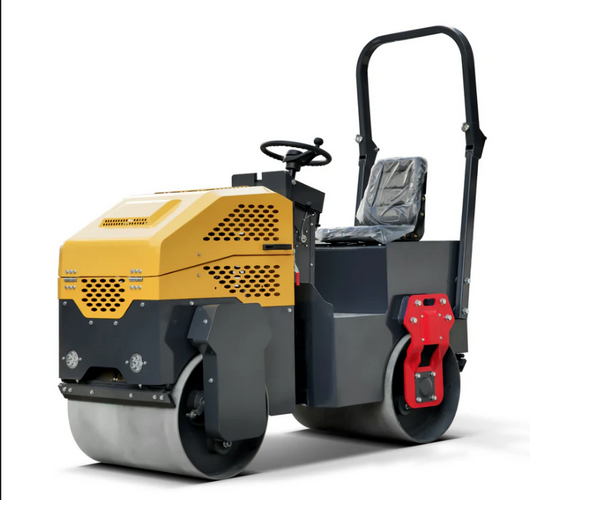
For complementary equipment that supports your site productivity, visit https://www.mmsce.com/collections/road-roller to find the right road roller for compaction and surface finishing needs alongside your mini excavator setup.
Types of Excavator Attachments for Mini Excavators
When selecting excavator attachments for your mini excavator, it’s essential to know which tools will help you complete specific tasks. Here’s a breakdown of the most common excavator attachments you can find for mini excavators.
1. Buckets
Buckets are one of the most commonly used excavator attachments. Available in various sizes and designs, buckets are perfect for tasks such as digging, trenching, and material moving. Some mini excavator buckets come with teeth for digging, while others are flat for grading.
- Common Uses: Excavating, loading, and grading
- Types: General-purpose buckets, trenching buckets, and heavy-duty buckets
2. Hydraulic Thumbs
Hydraulic thumbs are attachments that can be added to your bucket, making it easier to grab, move, and control materials. This attachment is ideal for picking up debris, logs, and other heavy materials. The hydraulic thumb offers greater flexibility compared to a standard bucket.
- Common Uses: Grabbing and holding materials
- Benefits: Increased precision in handling heavy or bulky materials
3. Augers
Auger attachments are used for drilling holes into the ground. Whether you need to dig a hole for a fence post, tree planting, or foundation work, an auger will help you get the job done efficiently. These attachments are perfect for digging consistent and precise holes.
- Common Uses: Drilling post holes, creating foundations
- Benefits: Precision and speed for drilling holes
4. Rippers
Rippers are used for breaking hard ground, rock, and other difficult surfaces. They are essential when preparing sites for construction or demolition. A ripper attachment can break up even the toughest materials, allowing your mini excavator to tackle jobs that would otherwise require specialized equipment.
- Common Uses: Breaking up hard ground, rock, and concrete
- Benefits: Increased productivity for site preparation
5. Grapples
Excavator grapples are used for grabbing and handling bulky materials like logs, scrap metal, and debris. They are essential for demolition, forestry, and material handling jobs. A grapple provides a secure hold on materials, allowing you to move them easily without relying on manual labor.
- Common Uses: Handling large materials, debris clearing
- Benefits: Efficiency in moving heavy items
6. Concrete Crushers
Concrete crushers are used in demolition projects to break concrete into smaller pieces. This attachment is perfect for demolishing concrete structures like walls, foundations, and pavements. The material can then be easily removed or reused for other construction projects.
- Common Uses: Concrete demolition
- Benefits: Allows for effective and efficient demolition
7. Trenching Attachments
Trenching buckets are ideal for digging narrow trenches, whether for utilities, foundations, or drainage systems. These buckets are designed specifically for trenching and are typically smaller and narrower than general-purpose buckets.
- Common Uses: Digging trenches for pipes, wiring, and other utilities
- Benefits: Provides precise, narrow trenches
Benefits of Using Excavator Attachments for Mini Excavators
Mini excavators are powerful machines, but when combined with the right excavator attachments, they become even more versatile. Here are some key benefits of using attachments:
1. Versatility and Multi-Functionality
The main advantage of using attachments with your mini excavator is increased versatility. Attachments enable your excavator to perform a wide range of tasks such as digging, material handling, demolition, and trenching, all with one machine.
2. Cost-Effectiveness
Investing in excavator attachments is often more cost-effective than purchasing multiple machines for different tasks. Attachments are usually much cheaper than full-sized machinery, and you can switch them out quickly based on the job at hand.
3. Time Savings
Attachments make your mini excavator more efficient, which in turn saves time. With the right attachment, tasks that might take hours with manual labor or other machinery can be completed much more quickly.
4. Increased Productivity
With the ability to switch attachments as needed, your mini excavator becomes a multi-tasking powerhouse. The right attachment helps you get more work done with fewer interruptions, boosting your overall productivity.
How to Choose the Right Excavator Attachment for Your Mini Excavator
Choosing the right excavator attachment for your mini excavator depends on several factors, including the type of project you are working on, the materials you need to handle, and the capabilities of your mini excavator. Here’s how to make the right choice:
1. Understand the Task
Identify the specific task you need to complete. For example, if you’re digging, a bucket attachment will work well. If you need to break concrete, a hydraulic hammer or concrete crusher will be more suitable.
2. Check Compatibility
Ensure that the attachment is compatible with your mini excavator. Attachments come with various coupling mechanisms, so it’s essential to check if your mini excavator supports the attachment’s connection type.
3. Consider Size and Weight
Make sure the attachment is not too heavy for your mini excavator. Attachments that are too large can strain the hydraulics and affect your excavator’s performance. It’s crucial to balance the attachment’s size with your machine’s capacity.
4. Evaluate the Manufacturer’s Recommendations
Check the manufacturer’s guidelines for your mini excavator and attachments. Manufacturers often provide recommendations for compatible tools that work best with their equipment.
Common Mistakes When Choosing Excavator Attachments
Choosing the wrong excavator attachment can lead to poor performance, increased costs, and safety risks. Here are some common mistakes to avoid:
1. Overloading the Mini Excavator
Avoid choosing attachments that are too heavy for your mini excavator. Overloading can cause mechanical failures and decrease the life span of your machine.
2. Choosing the Wrong Attachment for the Task
Make sure you select the attachment that’s designed for the specific job. Using the wrong attachment for a task can lead to inefficiency, unnecessary wear, and costly mistakes.
3. Neglecting Regular Maintenance
Attachments require regular maintenance to perform optimally. Failing to clean, lubricate, and inspect attachments can lead to damage and costly repairs.
Conclusion
Using the right excavator attachments for mini excavators can significantly improve your machine’s efficiency and versatility. With the right attachment, your mini excavator can easily transition between tasks such as digging, material handling, trenching, and demolition, making it a valuable asset on any job site.
If you’re ready to enhance your mini excavator’s capabilities, be sure to choose high-quality attachments that fit your needs. To explore a wide range of excavator attachments for mini excavators, visit https://www.mmsce.com/collections/excavator-attachment and discover the best tools for your machine.
FAQs
1. What is the most common excavator attachment for mini excavators?
Buckets are the most common attachment for mini excavators, used for digging, trenching, and material handling.
2. Can I use a mini excavator for demolition?
Yes, with the right attachments like a hydraulic hammer or concrete crusher, mini excavators are excellent for demolition tasks.
3. How do I maintain excavator attachments?
Regular cleaning, lubrication, and inspection are essential to ensure the longevity and efficient performance of your attachments.
4. How do I know if an attachment is compatible with my mini excavator?
Check the attachment’s specifications to ensure compatibility with your machine’s size, weight, and coupling mechanism.
5. Can I use multiple attachments on the same mini excavator?
Yes, mini excavators are designed to handle a wide range of attachments, which can be easily swapped out based on your task.